EBC BRAKES
AUTHORIZED VENDOR
- Joined
- Aug 7, 2021
- Messages
- 86
- Reaction score
- 42
- Points
- 18
Brakes are important as we all know, but let’s have a look at why and how brakes fail…
There are;
Corrosion is also a big factor in pad safety. With constant exposure to moisture, road salt, and tyre spray corrosion sets in especially on rear brake pads where the near kerbside pad gets huge amounts of road splash and is constantly getting wet and then drying out under braking. This constant “steam cleaning” of the pads can cause interlayer corrosion between the pad compound and the steel backplate and cause the total pad to debond.
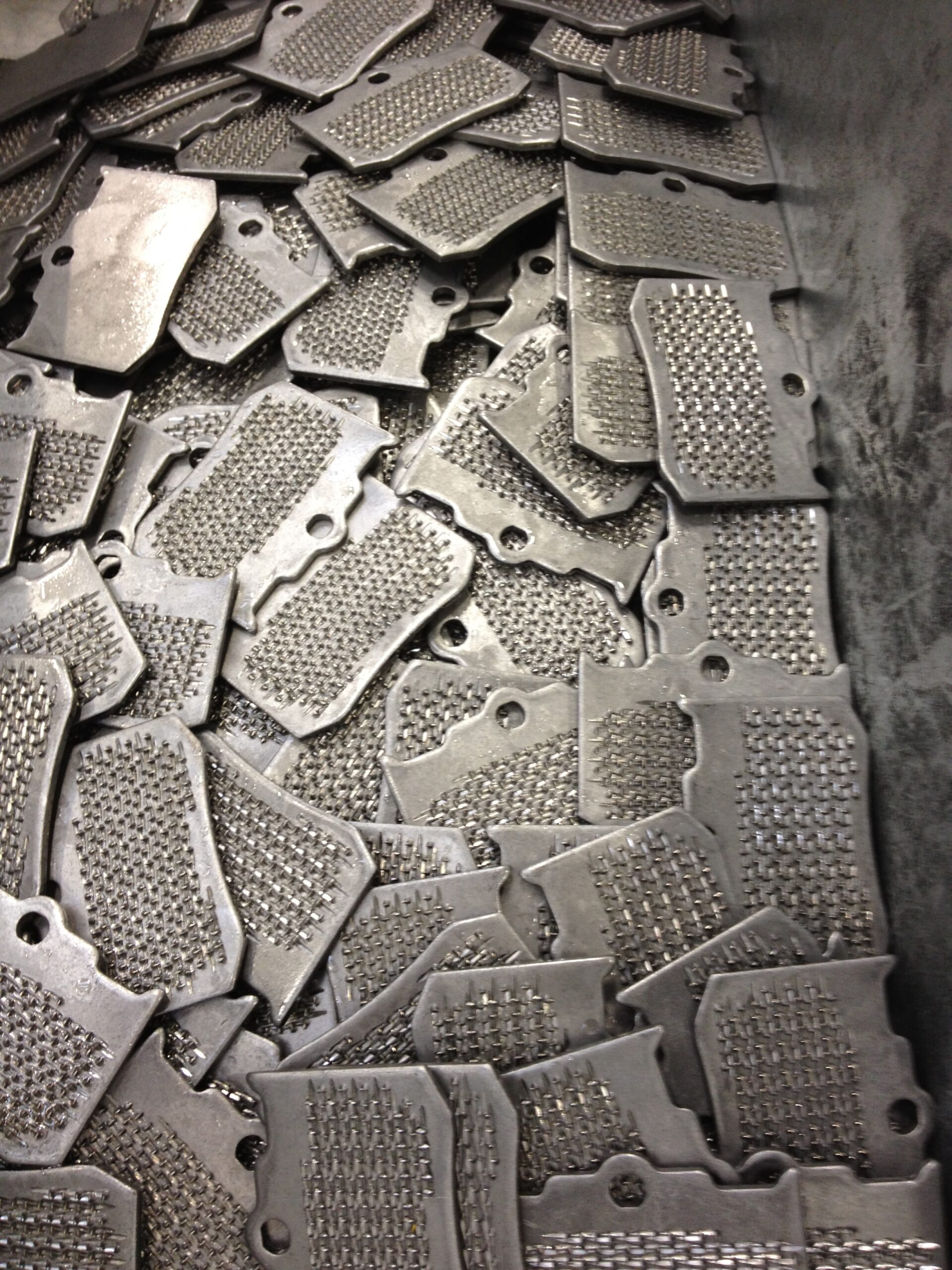
EBC brakes recognised this problem a decade ago and made two rapid-fire changes to its pads to prevent this. The first change was to include alkaline anti-corrosion additives into the pad mixes which drastically reduced interlayer corrosion. Back in 2011 EBC built its own pressworks at its Northampton HQ and installed two massive presses to apply the patented Nucap Canada NRS system to its backing plates. At a cost of over a million pounds, this was no small step for safety purposes and added significant costs to the price of the product but any and all pad debond failures completely went away. EBC backing plates for all its organic motorcycle and automotive pads are now made this way for many years.
This is what an NRS backing plate looks like.
There are very few brake brands that took these steps, setting EBC apart from most others.
A link for more info is shown below
EBC Brakes and the Revolutionary NRS Backplate System - EBC Brakes
It is also not always good to wait for the pads to be completely worn out for another reason. Pad compounds can die which brings us to the second point.
Lack of performance.
With the constant heating and cooling the resins, that hold all pads together, literally get “Cooked” and performance falls off. Also as a pad wears its ability to absorb and transfer heat changes. Thinner pads move heat to the caliper much more quickly and can damage caliper seal rubbers causing a more expensive repair.
So changing pads should not be left to the last minute especially if you drive at speeds or tow heavy loads.
There are;
- Total failures
- Lack of performance
Corrosion is also a big factor in pad safety. With constant exposure to moisture, road salt, and tyre spray corrosion sets in especially on rear brake pads where the near kerbside pad gets huge amounts of road splash and is constantly getting wet and then drying out under braking. This constant “steam cleaning” of the pads can cause interlayer corrosion between the pad compound and the steel backplate and cause the total pad to debond.
EBC brakes recognised this problem a decade ago and made two rapid-fire changes to its pads to prevent this. The first change was to include alkaline anti-corrosion additives into the pad mixes which drastically reduced interlayer corrosion. Back in 2011 EBC built its own pressworks at its Northampton HQ and installed two massive presses to apply the patented Nucap Canada NRS system to its backing plates. At a cost of over a million pounds, this was no small step for safety purposes and added significant costs to the price of the product but any and all pad debond failures completely went away. EBC backing plates for all its organic motorcycle and automotive pads are now made this way for many years.
This is what an NRS backing plate looks like.
There are very few brake brands that took these steps, setting EBC apart from most others.
A link for more info is shown below
EBC Brakes and the Revolutionary NRS Backplate System - EBC Brakes
It is also not always good to wait for the pads to be completely worn out for another reason. Pad compounds can die which brings us to the second point.
Lack of performance.
With the constant heating and cooling the resins, that hold all pads together, literally get “Cooked” and performance falls off. Also as a pad wears its ability to absorb and transfer heat changes. Thinner pads move heat to the caliper much more quickly and can damage caliper seal rubbers causing a more expensive repair.
So changing pads should not be left to the last minute especially if you drive at speeds or tow heavy loads.